
Program Notes
Liam Brown
Solo Piano Recital
October 17, 2026
Northwood Christian Church
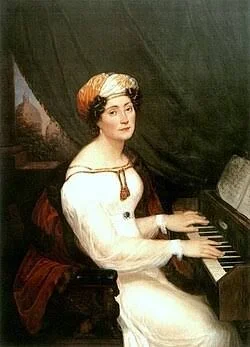
Maria Szymanowska (1789-1831)
Nocturne in Bb Major
Maria Szymanowska was born in Warsaw, Poland in 1789. She was one of the earliest virtuoso pianists who travelled around much of Europe to perform. She never received formal training in composition, as this was considered unbecoming for a woman. Despite this, Szymanowska was a prolific composer of piano music, and the nocturne in Bb is reputed as her most mature work.
The Nocturne
A Nocturne is a type of short of piano piece that usually has a melody in the right hand, while the left hand accompanies. As the title may suggest, the melodies are often emotive to evoke feelings of the night. Szymanowska was among the first generation to write music for the piano as we know it today. Before the 18th century, the piano was generally much quieter and the notes didn’t sustain as long. When the newer and bigger piano was developed, she was a part of a new style of piano music specific for this new instrument. One young composer, also native to Poland, was listening to Szymanowska’s new piano music…
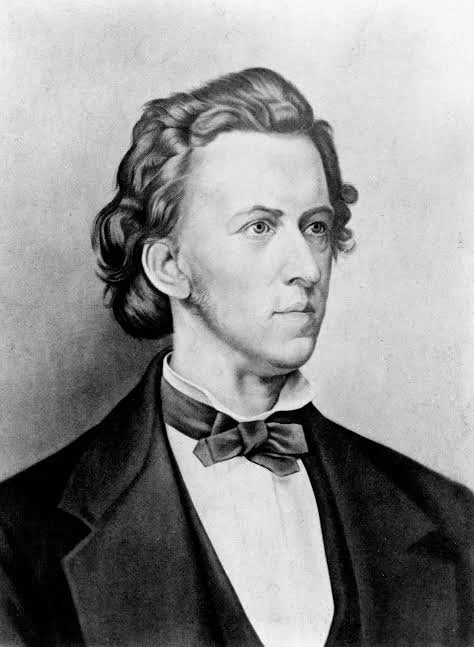
Frédéric Chopin (1810-1849)
Mazurkas, Op. 7
Frederic Chopin may be the most beloved composer who ever wrote for the piano. Chopin composed almost exclusively for the piano, and created some of the most enchanting melodies. Chopin grew up in Warsaw, Poland, while Szymanowska was at the peak of her career. Although it is still unknown whether the two composers met, it is beyond doubt that Chopin knew some of Szymnowska’s music. To what degree he was influenced by her is still debated.
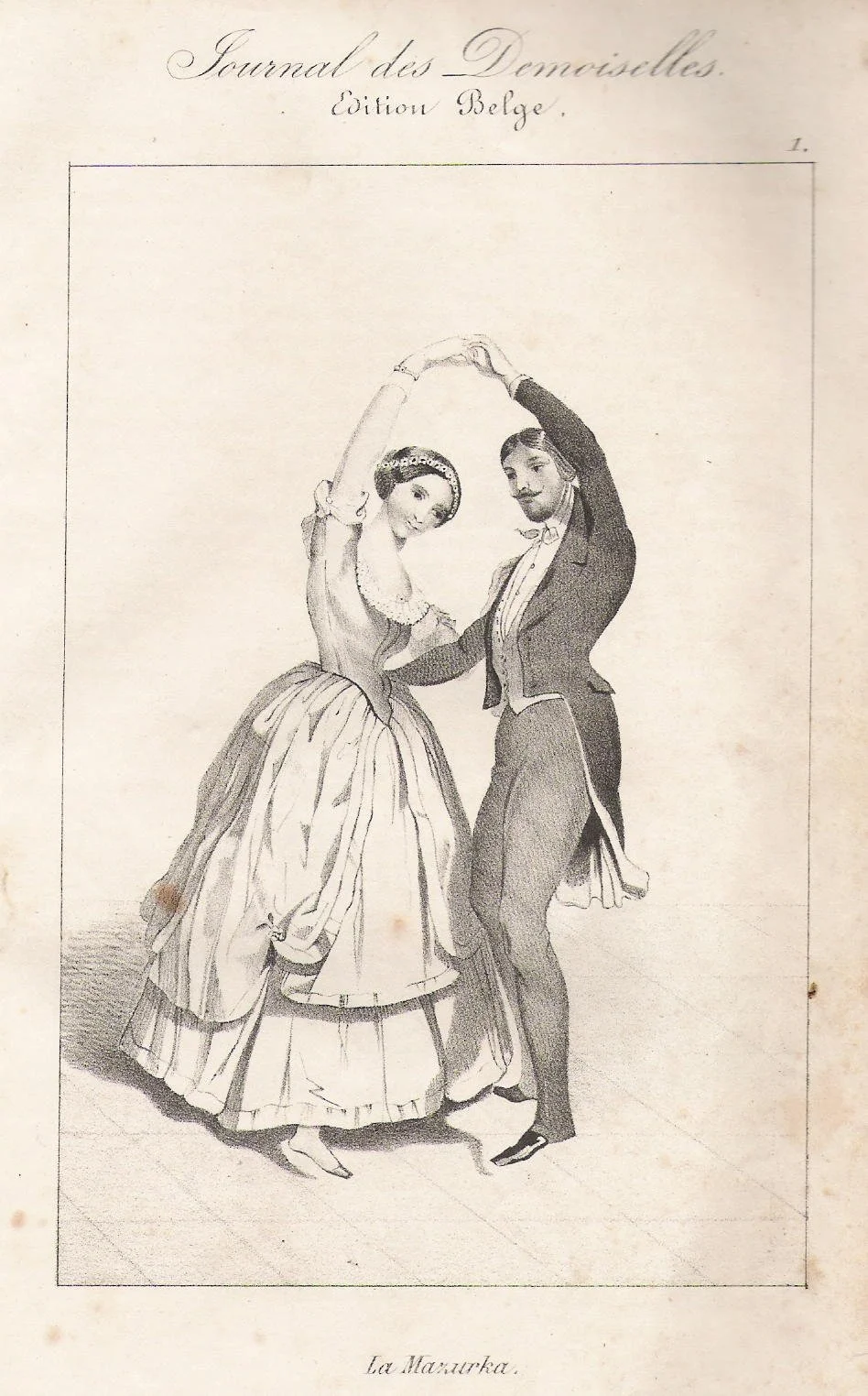
The Mazurka
Imagine it’s the 1800’s, you don’t have a radio or a CD player, or a TV. What do you do when all of your friends come over for a party? You dance, of course! Someone sits down at the piano and starts playing rhythmic music, and everyone finds a partner to dance with. In much of Europe, most people were dancing Waltzes, but in Poland, Mazurkas were more popular. Both Szymanowska and Chopin wrote many Mazurkas for the piano. Chopin’s Mazurka’s are short pieces, but contain lots of different characters and emotions: some are celebratory and joyful, while others are mournful and introspective. The last Mazurka in this set is especially humorous: Chopin wrote “senza fine” at the end of the piece, meaning the song is never supposed to end!
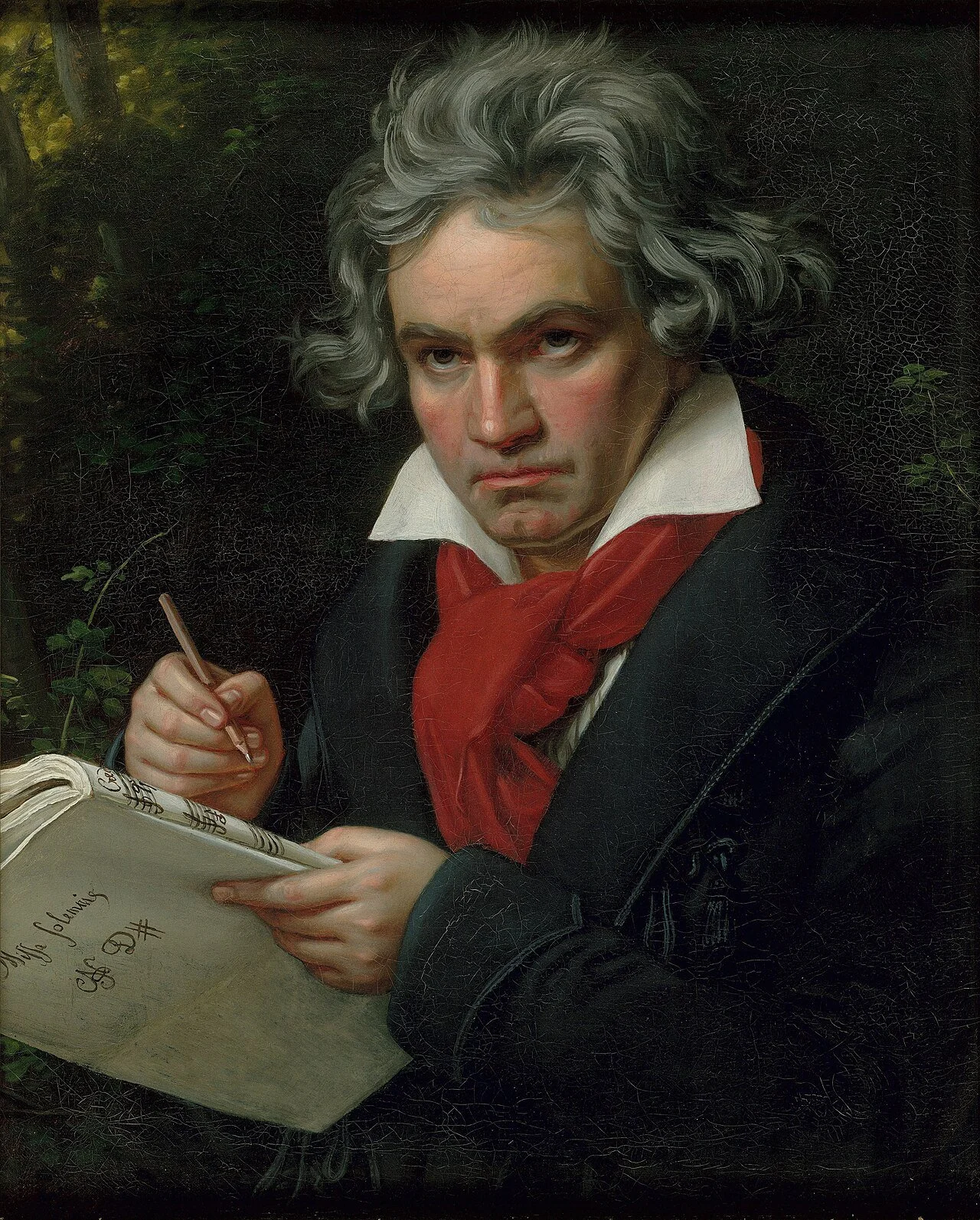
Ludwig Von Beethoven (1770-1827)
Sonata in F Major, Op. 7 no. 1
Beethoven may very well be the most famous musician to ever live. He was already an established composer by the age of 20 and as he aged, he continued to break musical conventions and develop more original ideas. When he reached the age of 50, Beethoven had lost virtually all his hearing. Rather than impeding his ability as a musician, his limitations increased his creativity. At the end of his life, Beethoven created some of the most daring and transcendent music of his life, inspiring (and intimidating) composers of the next generation. To this day, his fifth and ninth symphonies remain some of the most widely recognizable pieces of music ever written.
The Sonata in F major
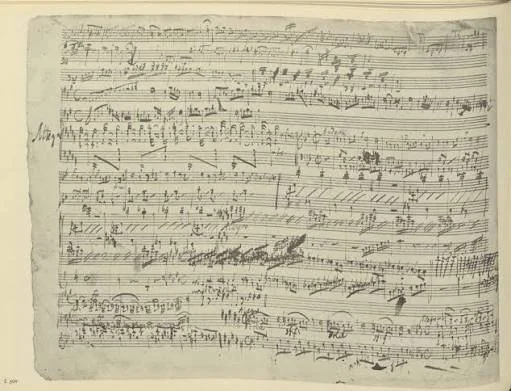
Of the thirty-two piano sonatas that Beethoven composed, this one was the sixth to be published. All of Beethovens sonatas are multi-movement pieces, most of them having three or four movements. While many of Beethoven’s sonatas large scale and serious pieces of work, this Sonata is relatively light-hearted. The first movement is a collage of many different musical characters and style. The second movement is introspective and lyrical, while the third movement is fast and humorous.
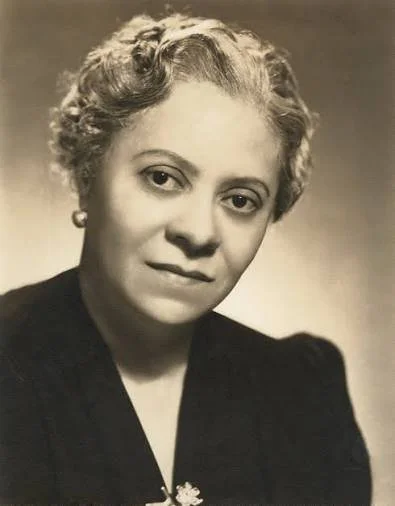
Florence Price (1887-1983)
Sonata in e minor
Florence Price was born in Little Rock Arkansas in the late 19th century. Price displayed musical talent from a young age and first had an original piece published at the age of 11. She left home to study in Boston and teach in Atlanta before returning to Arkansas in 1910. Arkansas was becoming increasingly segregated and dangerous for people of color. Price’s family, along with many other black families in that time period, fled north and settled in Chicago, where she thrived in her career as a composer and performer. She is the first African American woman to have her works performed by a major symphony orchestra.
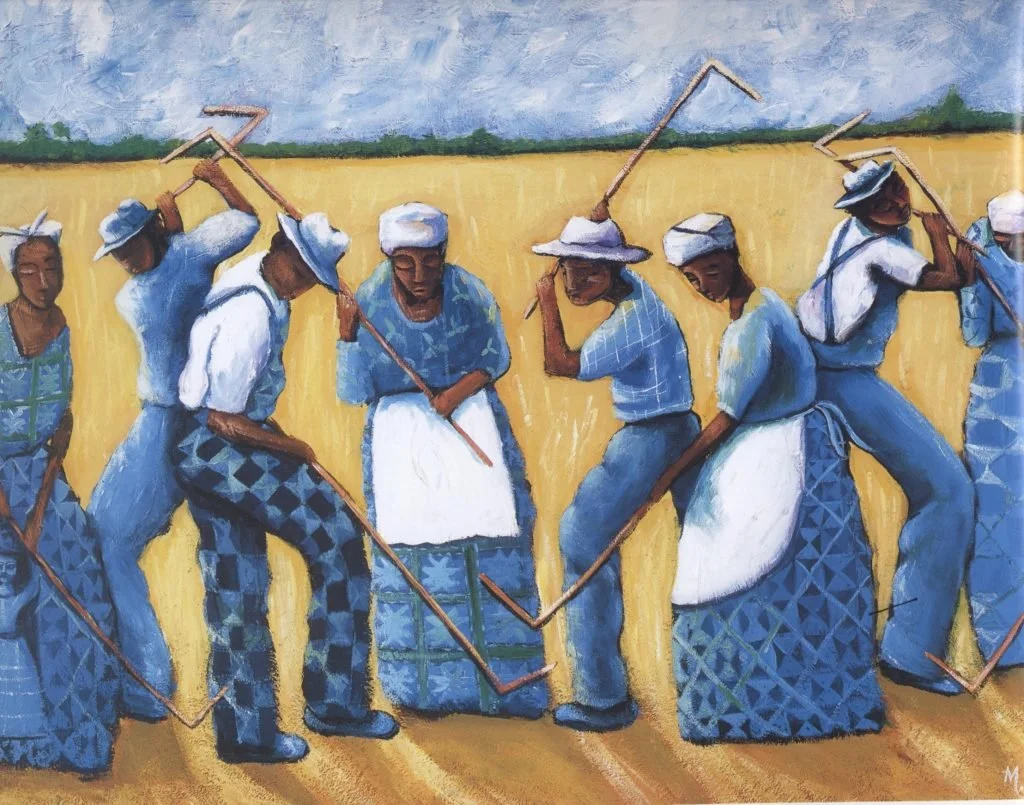
African American Spirituals
Florence Price is a unique composer because of her integration of romantic piano music with African American Spirituals. Spirituals have their origin from the slaves in the Southern United Stated. It was common for slaves to sing songs while they worked on the plantation, both to raise their own spirits and also to send hidden messages. The song “Sing Low Sweet Chariot” was a song that acted as a code for the underground railroad. Many of the Spirituals are well-known to this day and are often used at church services. You have probably heard many of them as well: “Wade in the Water,” “Deep River,” “Soon and Very Soon,” “Somebody’s knocking at your door,” etc. Price heard these songs in her childhood and used them frequently in her writing. Throughout this sonata, you can hear her imitate the style of the Spirituals and integrate it into a long-form piece of music.